
Crawl Space Mold Removal & Moisture Solutions in South Jersey & Greater Philadelphia

Because crawl spaces are hidden beneath your floors, moisture issues and mold growth often go unnoticed until they trigger musty odors, cupping hardwood floors, or unexplained allergies. The high-humidity environment common to South Jersey and the Greater Philadelphia region makes local crawl spaces prime targets for rapid mold proliferation.

Moisture Science Environmental (MSE) specializes in identifying, eliminating, and preventing crawl space mold. Based in Collingswood, NJ, our team is led by Tom McGuire—the only mold specialist in the Philly and South Jersey metro area with a Bachelor’s degree in Microbiology. We don’t just mask the smell; we use scientific protocols to kill the mold and remediate the underlying moisture problem for good.
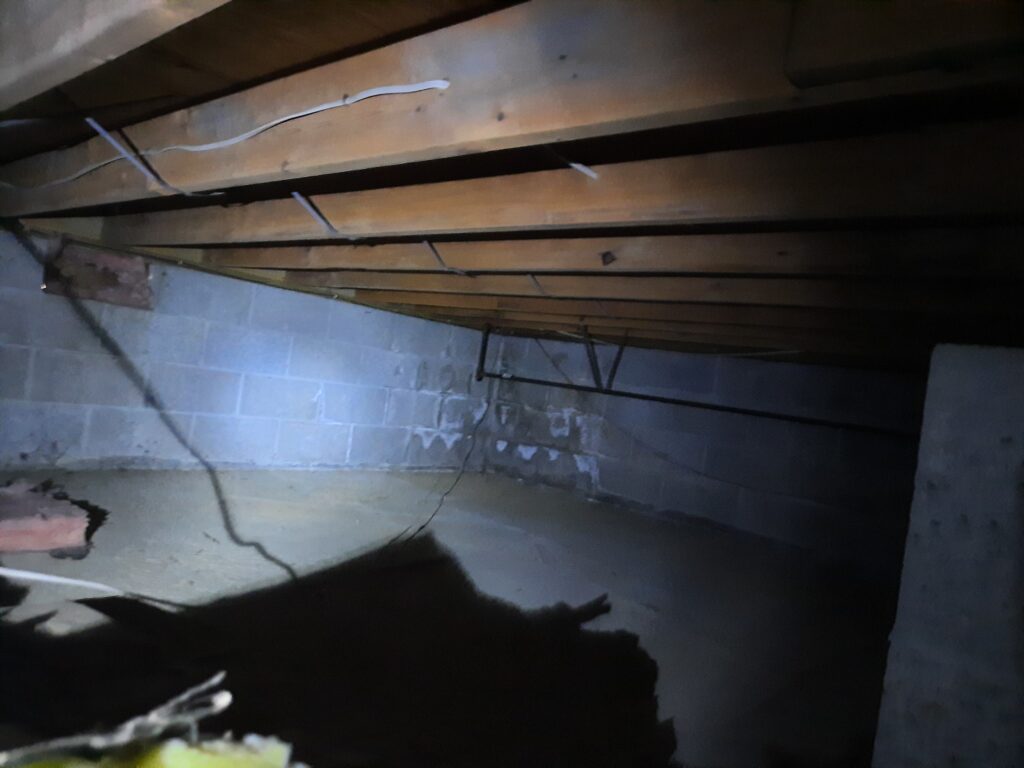
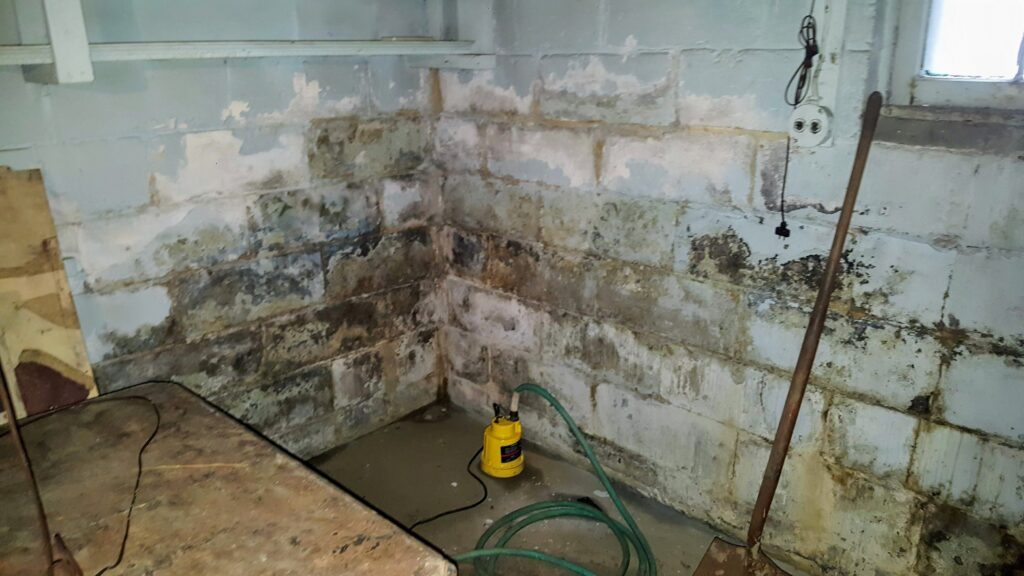
Our Scientific Crawl Space Remediation Process

Remediating a crawl space requires a careful balance of structural cleaning and long-term moisture management. Because up to 50% of the air on the first floor of your home originates in your crawl space, our process focuses heavily on containment to keep your living areas safe.

Our local crawl space mold removal process includes:

  • Source Identification: We pinpoint exactly where the moisture is coming from—whether it is hydrostatic pressure from local soils, plumbing leaks, or humid outdoor air.

  • Isolating the Space: We set up professional containment barriers and utilize HEPA air scrubbers to ensure mold spores cannot travel up into your kitchen, living room, or bedrooms during cleanup.

  • Structural Cleaning: Technicians thoroughly HEPA-vacuum and treat structural wood joists, subflooring, and support piers.

  • Antimicrobial Treatment & Encapsulation: We apply industrial-grade fungicides to kill existing colonies, followed by an antifungal retardant coating to protect the wood framing from future spores.

  • Long-Term Moisture Control: Depending on your home’s needs, we install heavy-duty vapor barriers, crawl space dehumidifiers, or structural waterproofing to ensure the space stays dry.

Why Crawl Space Mold Cannot Be Ignored

A moldy crawl space is more than an unpleasant smell; it actively damages your property and degrades your indoor air quality.

  • The “Stack Effect” & Air Quality: Warm air rises naturally through your home and escapes out of the upper levels. As it rises, it acts like a vacuum, pulling air from your crawl space straight up through floorboards, pipe penetrations, and HVAC vents. If your crawl space is full of toxic mold, you are breathing those spores daily.

  • Structural Wood Rot: Mold feeds on the organic components of your wooden floor joists and subflooring. Left untreated, the wood softens, sags, and eventually fails, leading to incredibly expensive structural repairs.

  • Pest Infestations: High humidity and decaying wood create the perfect breeding ground for termites, carpenter ants, rodents, and wood-boring beetles. Eliminating the moisture makes the environment unhospitable to pests.

Crawlspace Mold Removal

What Causes Crawl Space Mold in the Delaware Valley?

Our regional geography plays a massive role in crawl space structural issues. Local homes face a few specific challenges:

1. High Subterranean Humidity & Clay Soils

Parts of South Jersey and the Philly suburbs feature dense soils that retain water. When heavy rains hit our area, water saturates the ground around your foundation, creating high hydrostatic pressure that pushes moisture straight through porous cinderblock or concrete walls.

2. Outdated Foundation Vents

For decades, building codes required crawl spaces to be vented to the outdoors. However, during hot, humid local summers, opening these vents allows warm, moisture-laden air to enter the cool crawl space. This air rapidly cools, reaches its dew point, and condenses on your wooden joists like sweat on a cold drink canvas—sparking mold growth.

 3. Dirt Floors

Many older homes in Philadelphia and historic Jersey towns still have exposed dirt floors in their crawl spaces. Raw earth constantly releases gallons of water vapor into the air every single day, keeping the humidity levels well above the 60% threshold where mold thrives.

What Our Clients Say About Our Crawl Space Mold Services

Frequently Asked Questions About Crawl Space Mold

The most common indicators are a persistent, earthy, or musty odor on the first floor, warped or “cupping” hardwood floorboards, unexplained increases in indoor allergy symptoms, or unusually high indoor humidity levels during the summer.

Waterproofing a crawl space can be a very difficult process. A thin, loose plastic tarp from a hardware store is a temporary fix that often traps water underneath it, creating a breeding ground for bacteria. A true moisture solution requires a professional-grade, sealed vapor barrier or a complete encapsulation system integrated with dedicated dehumidification.

Mold is a biological organism, not just dirt. Different types of mold require different handling, and understanding the science behind how spores spread ensures the remediation is done safely. Our scientific background means we don’t guess—we test, treat, and verify using laboratory-grade standards.

Crawl spaces in Philadelphia and New Jersey should be inspected every 4-5 years to make sure the vapor barrier and other systems are still in place and functioning properly.

pictorial representation of Foundation Restoration

Get a Professional Crawl Space Evaluation Today

Moisture Science Environmental provides fast, transparent, and honest inspections across the entire region. We serve communities including:

  • New Jersey: Cherry Hill, Haddonfield, Moorestown, Marlton, Pennsauken, and across Camden, Burlington, and Gloucester Counties.

  • Pennsylvania: Center City Philadelphia, Bucks County, Montgomery County, King of Prussia, and Newtown.

Stop living over a moldy crawl space. Contact us to speak with a local mold expert.